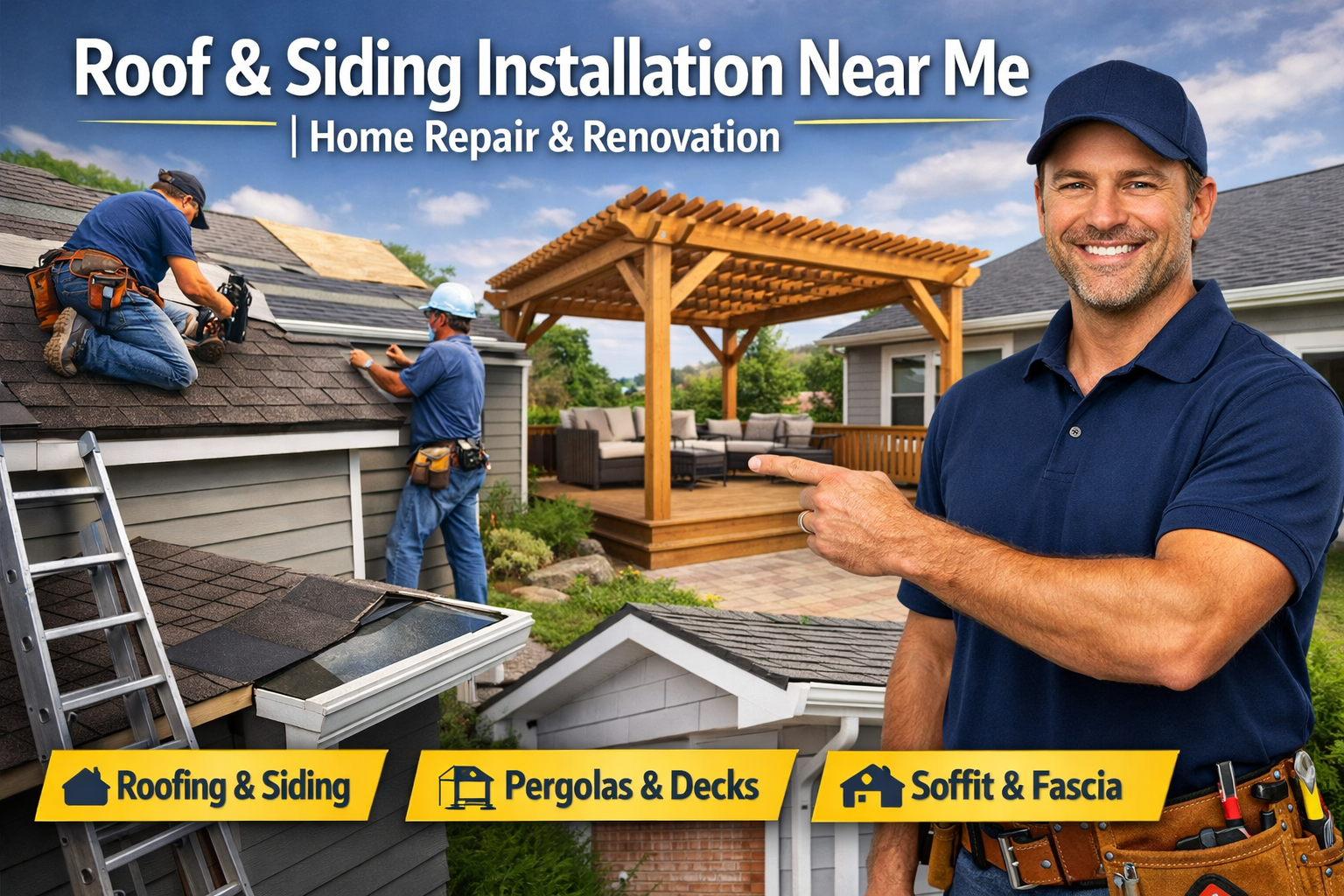
DIY vs. Professional Repairs: When to Call in an Expert
DIY home repairs can save money and feel incredibly rewarding—but not every project is worth the risk. Some repairs are truly “weekend friendly,” while others can turn into expensive damage or serious safety hazards. Use this guide to confidently decide when to DIY and when it’s smarter to call a professional.
Why This Decision Matters
The difference between a “good DIY project” and a “call-a-pro job” usually comes down to three things: safety, hidden complexity, and what happens if it goes wrong. A small mistake in paint or spackle is easy to fix. A mistake on a roof, electrical line, or structural wall can cause leaks, mold, fire hazards, or long-term damage that costs far more than hiring a pro in the first place.
1) Safety Risk
Heights, electricity, gas lines, rotating power tools, and heavy materials raise the stakes. If a project has a realistic chance of injury, it’s often not worth doing alone.
2) System Complexity
Many home systems overlap—roofing connects to flashing, siding connects to moisture barriers, plumbing connects to venting and pressure, and electrical work must meet code. Complexity is where DIY projects often go sideways.
3) Cost of a Mistake
Ask yourself: “If I mess this up, what’s the worst case?” Cosmetic errors are usually cheap. Water intrusion, wiring mistakes, or structural damage can become major repairs.
When DIY Repairs Make Sense
DIY is usually a good option when the project is low-risk, easy to reverse, and doesn’t involve critical systems (roofing, major plumbing, structural framing, or electrical circuits). These are common “safe and simple” projects many homeowners handle successfully.
Painting Rooms or Touching Up Trim
A fresh coat of paint is one of the fastest ways to improve a space. Prep is everything: clean the surface, patch small imperfections, protect edges with painter’s tape, and apply thin, even coats.
Patching Small Holes in Drywall
Nail holes and small dents are beginner-friendly. Use spackle (or joint compound), sand smooth, and match paint. If the hole is larger than a few inches, a patch kit can work—just take your time blending the edges.
Fixing Loose Hinges, Handles, and Hardware
Loose cabinet hinges, door handles, and knobs are usually quick fixes. Tighten screws, replace stripped ones, and realign hardware. A small adjustment can solve doors that rub or don’t close cleanly.
Replacing Light Fixtures (Simple Swaps)
If you’re comfortable with basic wiring, swapping a fixture can be manageable—only if you turn off the breaker and confirm power is off. If wiring looks damaged or confusing, stop and call a pro.
Unclogging Drains and Minor Leaks
Plungers, drain snakes, and replacing a worn washer are common DIY wins. For small drips under a sink, tightening a connection or replacing a simple part can help—just keep a bucket and towels nearby.
Small Caulking and Weather-Sealing Jobs
Re-caulking tubs, sealing gaps around windows, or replacing weatherstripping improves comfort and helps prevent moisture problems. Use the right product for the location (bath/kitchen mildew-resistant caulk, exterior sealant, etc.).
Good rule: If you can safely stop the project at any point without creating damage (and undo mistakes easily), it’s usually DIY-friendly.
When to Call a Professional
Some repairs aren’t just “hard”—they’re risky. They often involve safety hazards, specialized tools, code requirements, or a high chance of hidden damage. In these situations, a professional doesn’t just fix the problem—they help prevent the bigger problems that follow.
✅ Roof Repairs and Leaks
Roof work involves heights and steep angles, and leaks can be deceptive (water often travels before it appears inside). A poor patch can trap moisture, worsen rot, and create mold or structural issues. A pro can diagnose entry points and repair flashing, vents, and damaged shingles correctly.
✅ Electrical Work Beyond Simple Fixture Swaps
Anything involving breaker panels, new circuits, outlets, or unknown wiring should be handled by a licensed electrician. Incorrect wiring can cause shocks, damaged appliances, or electrical fires—often long after the “repair” looks finished.
✅ Major Plumbing Repairs
If a leak is inside a wall, under a slab, tied to a water heater, or connected to sewer lines, DIY can quickly turn into water damage and expensive restoration. Pros have leak detection tools and the right parts to repair without guesswork.
✅ Structural Repairs (Walls, Beams, Foundations)
Cutting into walls or modifying framing without understanding what’s behind it can be dangerous. Load-bearing elements, sagging areas, or foundation cracks require proper assessment—otherwise you risk long-term instability and costly repairs.
✅ Exterior Painting and High-Risk Ladder Work
Second-story work and exterior prep can be more dangerous than people expect. Professionals use the right ladders, staging, and coatings for a durable finish—without the safety risk of a fall or uneven coverage that peels early.
✅ Water Intrusion, Mold, or Rot
If you see repeated staining, soft wood, musty smells, or bubbling paint, the issue may be active moisture intrusion. Fixing the surface without solving the source leads to repeat damage. A pro can identify and correct the pathway.
Bottom line: If the repair affects your home’s safety, wiring, plumbing lines, or structural integrity, call a professional.
When DIY Can Cost You More in the Long Run
Even when a project looks doable on YouTube, the “real cost” of DIY can add up quickly if something goes wrong. Consider these common hidden costs before you start:
Redoing the Work
If the initial attempt fails, you may pay for extra materials, replacement parts, and professional correction. Some repairs become harder to fix after a DIY attempt (especially roofing and plumbing).
Accidental Damage
Small mistakes can damage surrounding areas—drywall around plumbing repairs, flooring from leaks, or framing from incorrect fasteners. That “one small fix” can become multiple projects.
Injury and Safety Risk
Ladder falls, tool injuries, and electrical shocks are common. Medical costs and downtime can exceed the cost of hiring help.
Time Drain
DIY projects often take longer than expected—especially when tools, materials, or steps aren’t clear. For time-sensitive issues (like leaks), delays can make the damage worse.
Sometimes, the smartest move is hiring a pro from the start—especially when the repair protects your home from water, prevents safety hazards, or needs a durable result.
The Bottom Line: DIY or Call a Pro?
Use this quick checklist to decide:
DIY is a good fit if…
• It’s cosmetic or minor
• You can safely work without heights or live wiring
• Mistakes are easy to undo
• You have the right tools and time
• The repair doesn’t affect structural or major systems
Call a pro if…
• Water is entering the home (roof/flashings/siding gaps)
• The project involves electrical circuits or panels
• Plumbing is hidden, pressurized, or connected to sewer/water heater
• There are structural concerns (walls, beams, foundation)
• Safety is a concern (ladders, steep roofs, heavy materials)
If you’re unsure…
A quick inspection or professional opinion can prevent expensive “trial and error.” It’s often cheaper to confirm the right fix than to repair the damage from an incorrect one.
Need Expert Home Repairs? We’ve Got You Covered!
At Accurate Home Repairs, we handle roof repairs, painting, exterior repairs, and handyman services so you don’t have to guess—or risk turning a small issue into a major problem.
✔️ 32+ Years of Experience
Trusted, local craftsmanship you can rely on for repairs that last.
✔️ Affordable, Transparent Pricing
No hidden fees—just clear scope, clear communication, and honest work.
✔️ Guaranteed Quality
We focus on doing it right the first time—especially for exterior and moisture-sensitive work.
Don’t let a small repair turn into a big problem—contact us today.